GameStop offers $56 billion for eBay, struggles to explain how it'll pay for it
GameStop’s audacious $56 billion bid for eBay raises questions about meme-stock capital, the future of e-commerce, and retail viability.
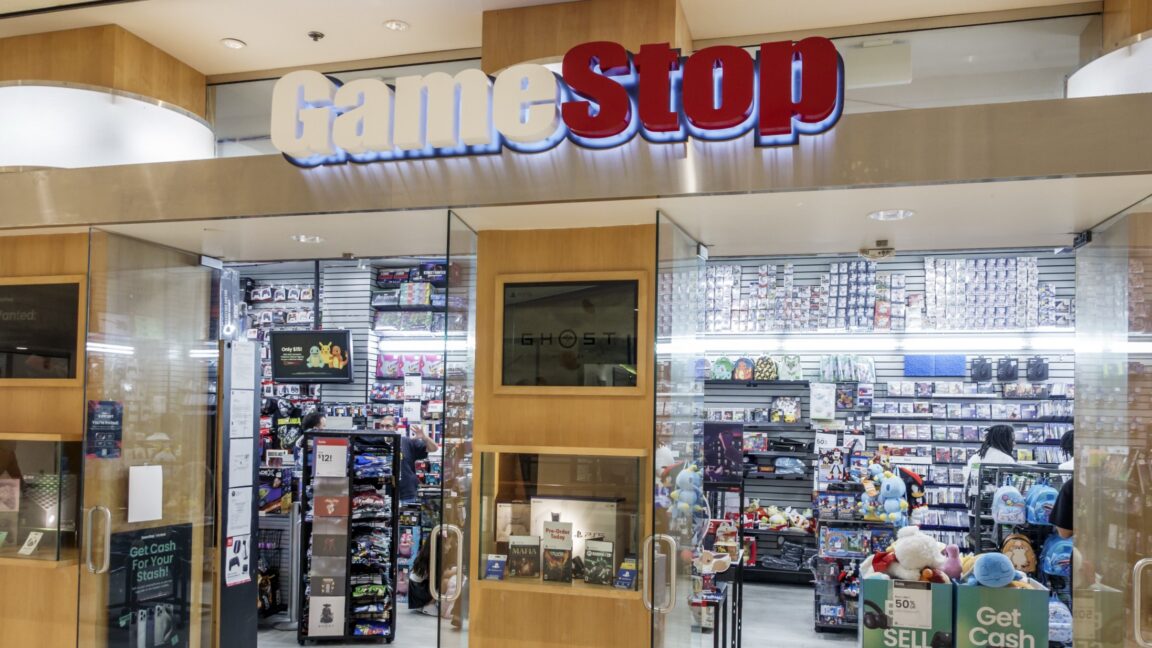
In a move that flouts conventional corporate finance, GameStop has reportedly extended an unsolicited $56 billion offer to acquire the e-commerce titan eBay. The proposal, which leaked this week, represents an audacious attempt by the legacy brick-and-mortar retailer to pivot toward a digitally-native future. However, the bid is immediately overshadowed by a glaring discrepancy: GameStop’s market valuation and cash reserves are a fraction of the proposed sticker price. This maneuver signals a desperate, high-stakes gamble to reinvent a brand that has spent years navigating a slow decline in physical media sales and a shrinking retail footprint.
The context of this bid is inseparable from the "meme-stock" phenomenon that transformed GameStop from a struggling retailer into a symbol of retail investor rebellion in early 2021. While the company succeeded in clearing its debt and raising substantial capital during its stock price surges, it has struggled to articulate a coherent long-term business strategy. This latest play for eBay suggests that GameStop’s leadership, led by Ryan Cohen, views a massive platform acquisition as the only viable exit ramp from its current trajectory of store closures and falling hardware revenue. It is a bid born of the realization that iterative improvements to the core business may no longer be enough.
Mechanically, the acquisition faces insurmountable hurdles unless GameStop can secure massive debt financing or convince eBay shareholders to accept a deal heavily weighted in volatile GameStop equity. eBay, which has spent the last several years narrowing its focus by divesting assets like StubHub and its Classifieds Group, is currently a leaner, more profitable entity than the GameStop of old. For eBay to merge with a company facing systemic headwinds in the physical retail space would require a valuation premium so significant that it would likely cripple the combined entity’s balance sheet. Analysts remain skeptical of how GameStop could service the debt required to finalize such a payout.
The implications for the broader industry are profound, marking a new era of "narrative-driven" M&A. If GameStop were somehow to succeed, it would instantly become a hybrid giant, blending one of the world's most recognizable third-party marketplaces with a specialized physical logistics network. Alternatively, the bid may be a strategic signal to the market—an attempt to force a conversation about GameStop’s relevance or to park institutional interest in its stock. For the e-commerce sector, it highlights the increasing pressure on established players like eBay to justify their independence in an age where Amazon and specialized marketplaces like StockX or GOAT are eroding their niche dominance.
From a regulatory standpoint, such a merger would likely face intense scrutiny, though perhaps more for financial stability than antitrust concerns. Regulators would need to assess whether GameStop, as the surviving entity, possesses the operational maturity to manage a global marketplace that handles billions in gross merchandise volume. Furthermore, the move could invite fresh oversight into how companies use market volatility to fund expansion. If a company can acquire a larger rival simply because retail investors have inflated its stock price, it challenges the traditional foundations of value-based acquisitions.
As the situation unfolds, observers should watch for eBay’s formal response, which is expected to be a swift rejection unless a significantly higher, cash-backed offer materializes. The more telling development will be GameStop’s subsequent actions—whether they retreat into their current restructuring or attempt a "hostile" proxy battle to win over eBay’s institutional shareholders. This bid is either the most brilliant pivot in retail history or the final, frantic reach of a company out of options. Regardless of the outcome, the bid itself has already shifted the discourse on what constitutes a viable corporate strategy in the modern, meme-influenced market.
Why it matters
- 01The bid represents a radical attempt by GameStop to use its volatile stock valuation to transform into an e-commerce giant despite a lack of liquid capital.
- 02eBay's stable profitability and lean operation make it an unlikely partner for a struggling retailer, barring a massive and unlikely cash premium.
- 03This move highlights the growing trend of narrative-driven corporate maneuvers where stock market sentiment dictates M&A strategy over traditional balance sheet logic.